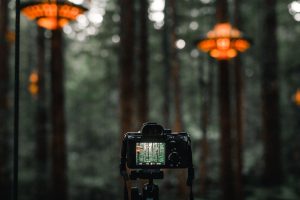

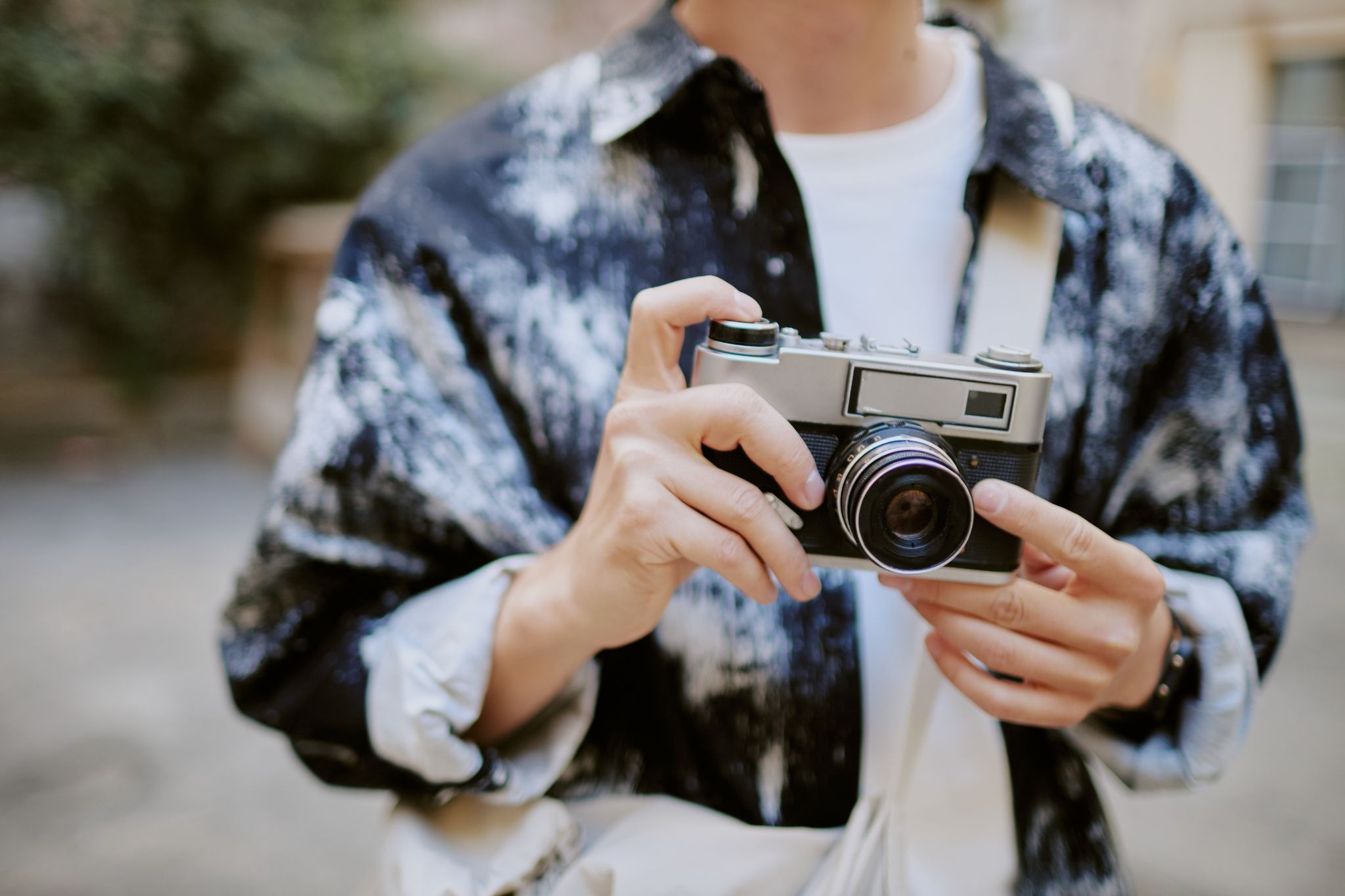
Digital photography has reached a point where technical perfection is easy to achieve. Cameras are sharper, sensors are cleaner, and editing software is more advanced than ever. Yet many photographers continue searching for imperfections that feel emotional and human. This is why Film aesthetic photography has become one of the most influential visual styles in modern photography culture.
The appeal is not simply nostalgia. Film carries emotional depth through color shifts, grain structure, softness, and tonal behavior that digital images often lack by default. Achieving this look digitally requires more than adding grain in editing software. It demands a deeper understanding of lighting, exposure behavior, lens choice, color science, and composition strategy. For experienced photographers, the challenge is recreating the emotional language of film without making images feel artificial or over-processed.
Understanding Why Film Still Feels Different
Film photography behaves differently because of how light interacts with the chemical emulsion rather than digital sensors. Highlights bloom more softly, shadows carry texture, and colors respond less predictably. These imperfections create emotional depth. Film aesthetic photography depends heavily on this organic inconsistency.
Digital systems are designed for precision. They produce sharp edges, clean tones, and balanced exposure. While technically impressive, this can sometimes remove emotional atmosphere from an image. Film works differently because it allows unpredictability to become part of the visual identity.
Photographers attempting Film aesthetic photography digitally often fail because they focus only on editing presets. The real difference begins during image capture. Editing alone cannot fully recreate the emotional behavior of film if the lighting and composition are too clinical from the start.
Lighting Choices That Shape the Film Look
Prioritizing natural light behavior
Natural light is one of the strongest foundations for Film aesthetic photography. Film stocks traditionally handled sunlight and ambient shadows with subtle tonal transitions. Soft daylight, window light, and overcast environments create smoother highlight roll off that resembles analog imagery more naturally.
Hard artificial lighting often creates overly sharp contrast on digital sensors. This makes images feel sterile. Film-inspired photography benefits from softer transitions and imperfect illumination. Even direct sunlight works best when balanced through shadows, haze, or reflective surfaces.
Avoiding overly polished lighting setups
Many photographers trying to achieve Film aesthetic photography use lighting setups that are too controlled. Excessive fill light and perfect exposure flatten emotional depth. Film imagery often contains uneven light distribution, small exposure imperfections, and natural contrast variation.
Allowing parts of the frame to remain slightly underexposed can create more atmosphere. Controlled imperfection is an important principle in achieving believable film-inspired visuals.
Lens Selection and Optical Character
Lens choice dramatically affects Film aesthetic photography. Vintage lenses are often preferred because they introduce softness, flare behavior, and lower contrast that mimic analog characteristics. Modern lenses are extremely sharp, which can make digital images feel too precise.
Older lenses also produce unique imperfections like chromatic shifts and edge softness. These flaws contribute to emotional texture. Many photographers intentionally adapt vintage film lenses onto modern digital cameras to reduce clinical sharpness.
Even when using modern equipment, avoiding excessive clarity helps maintain a film-inspired appearance. Film aesthetic photography depends more on mood and tonal richness than extreme detail resolution.
Exposure Strategy for Cinematic Depth
Exposure plays a major role in Film aesthetic photography. Film reacts differently to highlights than digital sensors. Overexposed highlights on film often retain softness and glow, while digital clipping becomes harsh and distracting.
To replicate film behavior, photographers often slightly overexpose digital images while protecting highlight detail carefully. This creates softer tonal transitions and more natural skin rendering.
Shadow handling also matters. Film usually retains texture inside darker areas instead of crushing blacks completely. Preserving shadow detail during capture creates more authentic film-inspired depth during editing.
Color Science and Tonal Balance
Understanding muted color response
One defining characteristic of Film aesthetic photography is restrained color intensity. Film stocks rarely produce hyper-saturated colors naturally. Instead, they create balanced palettes with subtle warmth or coolness depending on the stock type.
Digital cameras often exaggerate saturation by default. Reducing vibrancy and adjusting individual color channels helps images feel more organic. Skin tones especially benefit from softer color treatment.
Creating believable color separation
Film separates colors differently from digital systems. Greens, reds, and blues interact with light in more gradual ways. Many digital edits fail because they push cinematic grading too aggressively.
Film aesthetic photography requires a subtle separation between tones. Earth colors, skin tones, and shadows should blend naturally without looking overly manipulated. The goal is emotional realism rather than dramatic color effects.
Grain as Texture Instead of Effect
Grain is one of the most misunderstood elements in Film aesthetic photography. Many photographers simply add heavy grain overlays during editing. This often looks artificial because real film grain behaves organically with exposure and texture.
Authentic grain interacts differently across highlights, mid-tones, and shadows. It should support image texture rather than dominate it. Fine-grain often works better than aggressive overlays for modern digital workflows.
The purpose of grain is not only nostalgia. It softens digital perfection and introduces visual movement into still images. When used carefully, it adds depth without distracting from the composition.
Composition Approaches Inspired by Analog Photography
Film photographers historically worked with limited exposures. This encouraged slower and more intentional framing. Film aesthetic photography benefits from adopting this mindset even when shooting digitally.
Instead of capturing hundreds of identical frames, experienced photographers focus on timing, balance, and emotional positioning. Analog-inspired composition often prioritizes atmosphere over technical perfection.
Negative space, imperfect symmetry, and environmental storytelling all contribute to stronger film-inspired visuals. Frames should feel lived in rather than mechanically optimized.
Motion Blur and Imperfect Sharpness
Modern digital photography often prioritizes extreme sharpness. Film aesthetic photography moves in the opposite direction. Slight motion blur, soft focus transitions, and imperfect subject sharpness can create more emotional realism.
Film cameras traditionally operated with slower shutter speeds and manual focus limitations. These technical constraints produced natural imperfections that became part of the visual identity.
Photographers recreating this look digitally should avoid over-sharpening. Allowing subtle softness in movement or edges often creates a stronger cinematic atmosphere than perfectly frozen images.
Editing Workflow for Film-Inspired Results
Reducing digital harshness
Editing Film aesthetic photography requires restraint. Overediting quickly destroys authenticity. The goal is to soften digital precision without making images look artificially vintage.
Reducing clarity, lowering contrast slightly, and controlling highlight intensity helps create more natural tonal flow. Skin texture should remain realistic instead of overly polished.
Building consistency across images
One challenge in Film aesthetic photography is maintaining consistency across an entire series. Film stocks naturally create cohesive visual identity because the same chemical response affects every frame.
Digital photographers should create controlled color workflows instead of random preset experimentation. Consistent tonal balance strengthens the emotional continuity of a project or portfolio.
Choosing Environments That Support the Film Look
Certain environments naturally enhance Film aesthetic photography. Urban streets, quiet interiors, faded architecture, and textured landscapes often work well because they contain visual depth and imperfection.
Overly modern environments with aggressive artificial lighting can feel disconnected from analog aesthetics. This does not mean film-inspired photography must look old-fashioned. Instead, environments should support emotional texture and atmospheric layering.
Weather conditions also matter. Fog, rain, haze, and soft evening light create natural diffusion that complements film-inspired imagery beautifully.
Common Mistakes in Digital Film Emulation
One major mistake is relying too heavily on presets. Film aesthetic photography is not created through one-click solutions. Presets may help establish direction, but they cannot replace thoughtful lighting and composition choices.
Another common issue is excessive grain and faded contrast. Many photographers exaggerate these elements to make images appear vintage. This often removes realism and emotional subtlety.
Color inconsistency is another problem. Mixing warm and cool grading randomly creates visual confusion. Strong film-inspired work usually follows a controlled tonal direction from start to finish.
Balancing Modern Quality With Analog Emotion
The strongest Film aesthetic photography does not reject digital advantages completely. Instead, it balances modern image quality with analog emotional behavior. Digital cameras provide flexibility, dynamic range, and editing control that film photographers never had.
The goal is not to imitate film mechanically. It is to understand why film feels emotionally engaging and apply those principles intentionally through digital tools.
Photographers who succeed in this space focus less on nostalgia and more on atmosphere, restraint, and visual storytelling. That balance creates work that feels cinematic without becoming overly stylized.
Conclusion
Film aesthetic photography continues to resonate because it captures emotional texture in ways that highly polished digital imagery often struggles to achieve. Recreating this look digitally requires more than filters or grain overlays. It demands strategic decisions during lighting, exposure, composition, lens selection, and editing.
For experienced photographers, the process becomes less about imitation and more about interpretation. Understanding how analog systems shaped mood and atmosphere allows digital creators to build images with greater emotional depth. When approached thoughtfully, Film aesthetic photography becomes a powerful visual language that blends technical control with human imperfection.