

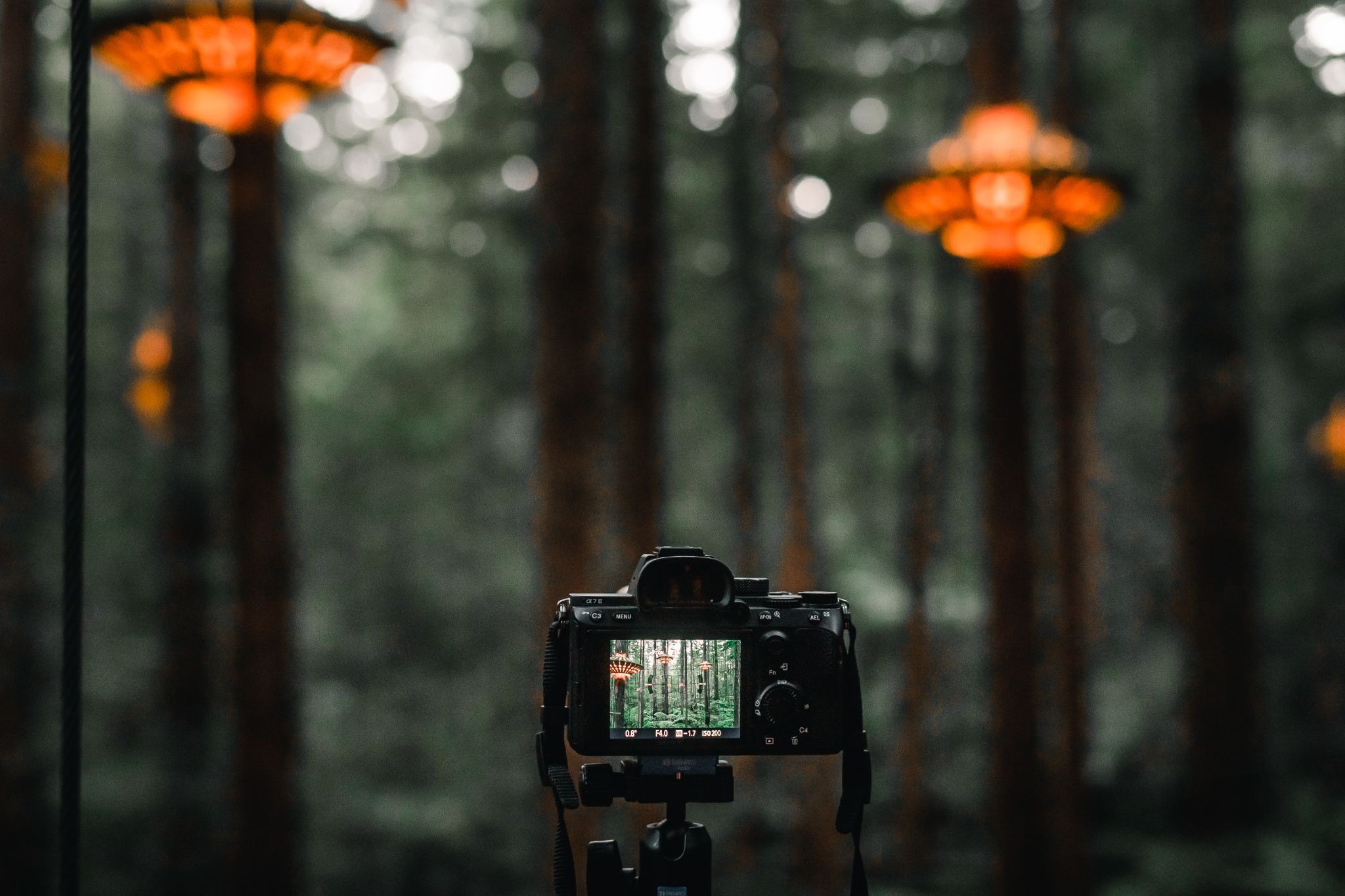
The modern photography industry is filled with technically perfect images. Cameras capture incredible detail, editing software removes imperfections instantly, and artificial intelligence can polish photos within seconds. Yet many photographers continue chasing something less perfect and more emotional. That pursuit has made the Digital photography film look like one of the most discussed visual styles in modern photography.
Experienced photographers already understand what film photography is. The deeper question is why film still feels visually different even when digital cameras outperform it technically. The answer lies in texture, tonal response, light behavior, and emotional atmosphere. The Digital photography film look is not about copying old cameras. It is about recreating the emotional weight and visual softness that analog systems naturally produced.
Why Film Still Feels More Emotional
Film creates an emotional connection because it responds to light differently than digital sensors. Highlights bloom gently, shadows maintain texture, and colors blend with subtle inconsistency. These characteristics create images that feel less clinical and more human.
Digital cameras are designed for precision. They prioritize sharpness, clarity, and clean rendering. While technically impressive, that precision can sometimes remove atmosphere. The Digital photography film look exists because many photographers want to reintroduce imperfection in a controlled and artistic way.
Another reason film still resonates is unpredictability. Analog systems contain variables that digital workflows often eliminate. Grain, exposure shifts, and color variations add visual personality that audiences continue responding to emotionally.
The Role of Dynamic Range in Film Style
One defining characteristic of the Digital photography film look is highlight behavior. Film handles bright areas more smoothly than digital sensors. Instead of clipping harshly, highlights transition gradually into brightness.
Photographers trying to recreate film aesthetics digitally often focus heavily on preserving highlights. Slight overexposure combined with controlled editing creates a softer tonal roll off that resembles analog imagery more naturally.
Shadow management also matters. Film rarely crushes shadows completely. Instead, it retains detail and texture inside darker areas. Modern photographers who want a believable Digital photography film often avoid extreme contrast because overly deep blacks remove tonal realism.
Lens Character and Optical Imperfection
Vintage Lenses and Softer Rendering
Lens selection plays a massive role in achieving the Digital photography film look. Vintage lenses are popular because they introduce softness, flare behavior, and reduced contrast. These optical imperfections create an atmosphere that modern ultra-sharp lenses often lack.
Older lenses also render colors differently. They tend to produce warmer transitions and more natural edge softness. This helps digital images feel less artificial and more cinematic.
Why Sharpness Is Often Overused
Many photographers mistake sharpness for quality. In reality, excessive detail can make images feel sterile. Film photography rarely produced perfectly sharp frames across the entire image.
Photographers pursuing digital photography often reduce clarity intentionally. Softer rendering allows the viewer to focus on mood and storytelling instead of technical perfection.
Color Science Behind Film-Inspired Images
Color is one of the most difficult parts of the Digital photography film look to replicate accurately. Film stocks respond to light chemically, which creates unique color relationships that digital sensors do not naturally reproduce.
Modern digital cameras often produce highly saturated and perfectly balanced tones. Film, by comparison, tends to create muted colors with smoother transitions between hues. Skin tones especially appear softer and more organic.
Photographers who understand film-inspired color grading avoid aggressive editing. Instead of pushing cinematic effects heavily, they work with restrained palettes and subtle warmth or coolness, depending on the visual mood.
The Digital photography film usually succeeds when the color grading feels invisible rather than obvious. Images should feel emotionally rich without appearing heavily processed.
Lighting Decisions That Create Atmosphere
Natural Light Over Controlled Perfection
Natural light is deeply connected to the Digital photography film look. Film photography historically relied heavily on available light, which created softer and less controlled visual environments.
Window light, cloudy skies, and sunset conditions naturally produce tonal softness that resembles analog photography. Hard studio lighting often feels too polished unless carefully diffused.
Embracing Uneven Exposure
Modern photographers frequently aim for perfect exposure balance. Film-inspired photography works differently. Slight unevenness in lighting often creates emotional depth.
Allowing certain areas to fall into shadow while preserving highlights can create a more cinematic atmosphere. The Digital photography film look benefits from accepting controlled imperfection instead of correcting every exposure variation.
Grain as a Structural Element
Grain is one of the most recognizable features of the Digital photography film look, but it is also one of the most misunderstood. Many photographers simply add heavy grain overlays during editing, which often looks fake.
Real film grain interacts naturally with exposure and texture. It behaves differently in highlights, midtones, and shadows. Digital grain should therefore feel integrated into the image rather than sitting on top of it.
Subtle grain often works better than aggressive grain. The goal is to reduce digital smoothness and introduce visual texture without distracting from composition and emotion.
Composition Techniques Inspired by Film
Film photography encouraged slower and more intentional framing because photographers had limited exposures available. This mindset still influences the Digital photography film look today.
Photographers working in this style often prioritize storytelling over technical perfection. Slightly imperfect framing, natural movement, and environmental context all contribute to stronger emotional realism.
Negative space is also commonly used in film-inspired compositions. Instead of filling every part of the frame with detail, photographers allow scenes to breathe visually. This creates atmosphere and visual rhythm.
The Digital photography film often feels more cinematic because composition choices are guided by mood rather than algorithmic perfection.
Editing Mistakes That Destroy the Film Look
Overprocessing Colors and Contrast
One common mistake is excessive editing. Many photographers push faded blacks, orange tones, or teal shadows too aggressively. This creates images that feel trendy rather than authentic.
The Digital photography film look depends on restraint. Small tonal adjustments usually create stronger results than dramatic transformations.
Using Presets Without Adaptation
Presets can provide direction, but relying on them blindly often leads to repetitive and artificial results. Every lighting situation responds differently, so film-inspired editing should always be adjusted manually.
Experienced photographers treat presets as starting points rather than finished solutions. This approach creates more believable and personalized work.
Why Sensor Choice Still Matters
Camera sensors influence how easily photographers can achieve the Digital photography film look. Full-frame cameras often produce smoother tonal transitions and better low-light texture, which supports film-inspired aesthetics.
However, sensor size alone does not create emotional depth. Some smaller sensor systems paired with vintage lenses can still produce excellent results if lighting and editing are handled carefully.
Dynamic range also affects film emulation quality. Cameras that preserve highlight detail more effectively usually create more natural film-inspired grading flexibility during post-production.
Environmental Texture and Scene Selection
Certain environments naturally support the Digital photography film look more effectively than others. Urban streets, foggy weather, aged architecture, and textured interiors often create visual depth that complements analog-inspired aesthetics.
Overly polished modern spaces can sometimes feel disconnected from a film-inspired mood. This does not mean photographers should avoid modern settings completely. Instead, they should focus on atmosphere and layered visual texture.
Weather conditions also influence emotional response. Rain, haze, and soft daylight diffuse light naturally and help digital images feel more organic.
The Psychological Appeal of Film Style
The Digital photography film look continues growing in popularity because audiences connect emotionally with imperfection. Modern life is saturated with polished digital visuals, which makes analog-inspired imagery feel more personal and human.
Film aesthetics also create a sense of memory and timelessness. Slight softness, muted colors, and textured grain often remind viewers of physical photographs and lived experiences.
This emotional response explains why film-inspired photography remains relevant even as digital technology advances rapidly. Technical quality alone does not always create emotional impact.
Balancing Analog Inspiration With Digital Flexibility
The strongest Digital photography film does not reject modern technology completely. Instead, it combines digital flexibility with analog visual philosophy.
Digital systems provide enormous advantages in exposure control, editing precision, and workflow speed. The goal is not to imitate film mechanically but to preserve emotional texture within a modern process.
Experienced photographers understand that film aesthetics are built through intentional choices at every stage. Lighting, lens selection, exposure, color grading, and composition all work together to create believable cinematic depth.
Conclusion
The Digital photography film look is defined by far more than grain or vintage color presets. It is shaped by emotional atmosphere, softer tonal transitions, natural lighting behavior, restrained editing, and thoughtful composition. Film-inspired imagery succeeds when it feels human rather than technically perfect.
Modern photographers continue pursuing this style because it offers something digital precision often lacks. It creates warmth, texture, and emotional realism that viewers instinctively connect with. Achieving the Digital photography film look digitally requires patience and visual understanding, but when done correctly, it produces photographs that feel timeless instead of temporary.
FAQs
1. Why does film photography look different from digital photography?
Film reacts to light chemically, creating softer highlights, natural grain, and smoother tonal transitions. Digital sensors capture cleaner detail, which often feels sharper but less emotionally textured compared to film-inspired imagery.
2. Can editing alone create the Digital photography film look?
Editing helps, but lighting, lens choice, exposure, and composition matter equally. Strong film-inspired images usually begin during capture rather than relying entirely on presets or post-production effects afterward.
3. Are vintage lenses necessary for film-inspired photography?
Vintage lenses are not required, but they help create softer rendering, natural flare, and lower contrast. These characteristics support the Digital photography film look by reducing overly sharp digital precision.
4. Why do many photographers reduce sharpness for film aesthetics?
Film photography rarely produced extreme sharpness across every detail. Slight softness often feels more cinematic and emotional, which is why many photographers intentionally reduce clarity in film-inspired workflows.
5. What lighting works best for film-inspired digital photography?
Natural light usually works best because it creates softer tonal transitions and realistic shadows. Window light, cloudy weather, and sunset conditions often support a stronger film-inspired atmosphere in digital photography.