

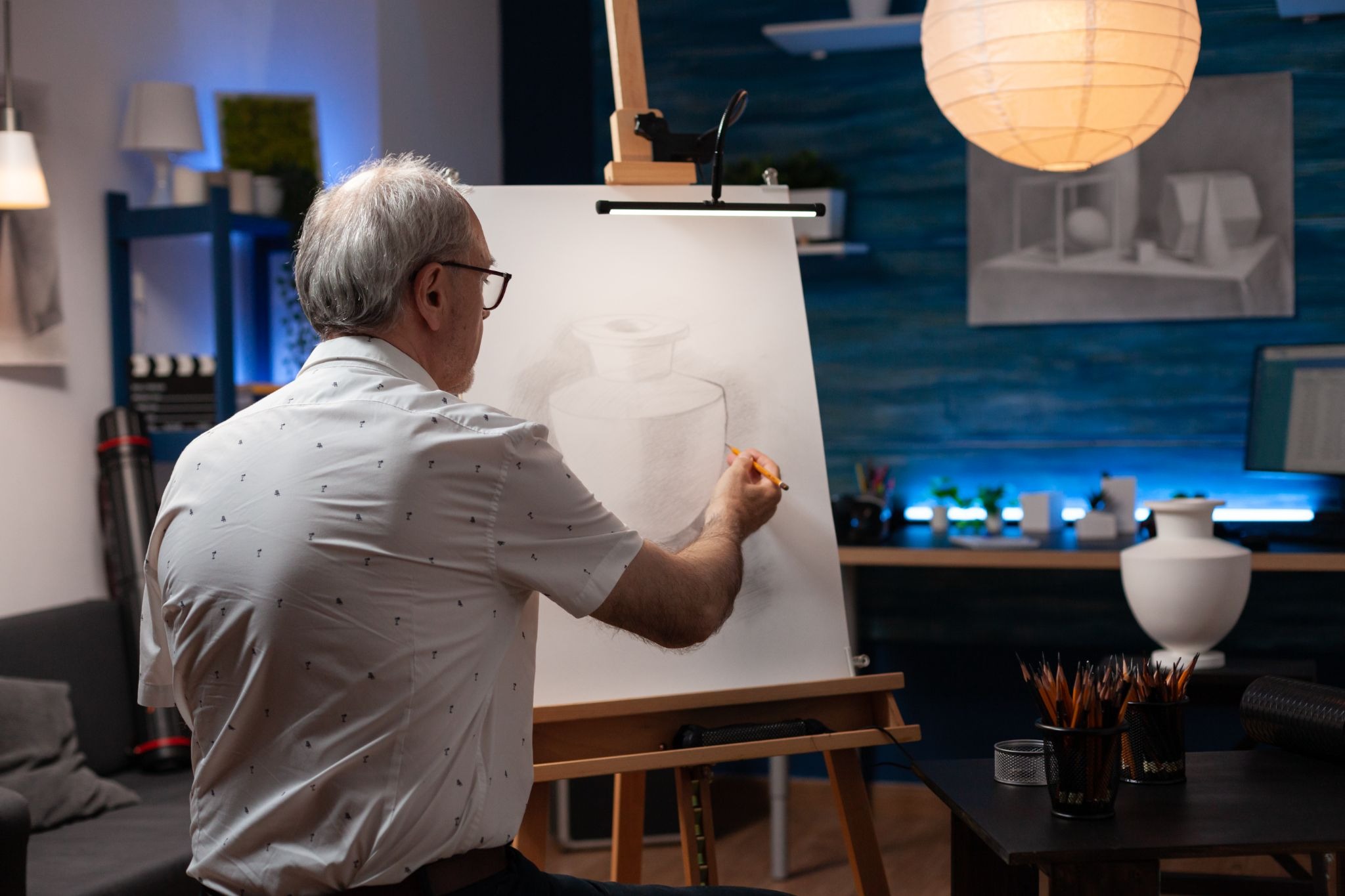
Concept art serves as the visual foundation for many creative projects, from video games to animated films. For those just starting, understanding the core principles of concept art is essential. These principles not only guide your artistic choices but also enhance your ability to communicate ideas visually. In this blog post, we will explore the fundamental concept art principles every beginner should learn. By mastering these principles, you can elevate your work and bring your imaginative visions to life.
Understanding Concept Art
Before diving into the principles, let’s clarify what concept art is. Concept art is a visual representation of an idea. It’s used in various industries to visualize characters, environments, and props before they are developed further. The goal is to communicate a vision effectively. This makes it crucial to grasp the core principles that underpin this art form.
Concept art is not about creating finished pieces; it’s about exploration and communication. Artists use sketches, digital paintings, and other media to convey their ideas. The more you understand the principles of concept art, the better equipped you will be to express your ideas clearly and effectively.
Core Concept Art Principles
1. Composition
Composition is one of the most fundamental concept art principles. It refers to the arrangement of visual elements in a piece of art. A strong composition guides the viewer’s eye and creates a sense of balance. It helps to tell the story you want to convey.
When starting, consider the rule of thirds. This classic principle divides your canvas into a grid, placing points of interest along the lines or intersections. This creates a more dynamic and engaging image. Additionally, think about leading lines. These are lines within the artwork that draw the viewer’s eye toward the focal point. Experiment with different compositions to see what works best for your ideas. Don’t hesitate to create multiple thumbnails before settling on the final layout. This process will help you understand how composition impacts the overall effectiveness of your concept art.
2. Color Theory
Color theory is another essential principle for concept artists. Colors evoke emotions and set the mood for your artwork. Understanding how colors interact is crucial for creating compelling visuals. Start by learning the color wheel. This tool helps you understand primary, secondary, and tertiary colors. Complementary colors, which are opposite each other on the wheel, create vibrancy when used together. Analogous colors, found next to each other, create harmony and cohesion.
When applying color to your concepts, think about the mood you want to convey. Warm colors, like reds and yellows, can evoke excitement or warmth. Cool colors, such as blues and greens, can create feelings of calmness or sadness. Use color intentionally to enhance the storytelling aspect of your concept art.
3. Form and Shape
Form and shape are vital components of concept art principles. Understanding these elements helps you create three-dimensional objects in a two-dimensional space. Shapes can be geometric, like squares and circles, or organic, resembling natural forms.
When designing characters or environments, consider how forms interact with light. Shadows and highlights create depth and dimension. This adds realism to your artwork, making it more engaging for viewers. Practice sketching basic shapes and forms to build a strong foundation. As you become comfortable, challenge yourself to combine shapes into more complex designs. This will enhance your ability to create dynamic and interesting concept art.
4. Perspective
Perspective is crucial for creating depth in your artwork. It refers to how objects appear smaller as they move further away from the viewer. Understanding perspective allows you to create realistic environments and scenes.
Start with one-point perspective, where all lines converge at a single point on the horizon. This is useful for drawing roads or hallways. As you progress, explore two-point and three-point perspectives for more complex scenes. These perspectives can give your environments a more dynamic and immersive feel. Incorporating perspective into your concept art adds realism and helps viewers understand the spatial relationship between elements. Practice sketching from different angles to improve your skills in this area.
5. Light and Shadow
Light and shadow play a significant role in concept art. They help define forms and create mood within your artwork. Understanding how light interacts with objects is crucial for achieving a sense of realism.
Begin by observing how light behaves in real life. Notice how shadows change depending on the light source. Experiment with different lighting scenarios in your artwork. For example, a harsh light can create strong contrasts, while soft light can produce gentle gradients. When creating concept art, think about the light source and its impact on your subjects. This will help you create more dynamic and visually compelling pieces. Use highlights and shadows to enhance the depth of your artwork.
6. Storytelling
At its core, concept art is about storytelling. Every piece should convey a narrative or convey an idea. Understanding how to communicate effectively through your art is essential for a successful concept artist.
Consider the context behind your concepts. What story are you trying to tell? What emotions do you want to evoke? Use visual elements such as character poses, expressions, and environments to enhance the narrative. Creating thumbnails or sketches of various scenarios can help explore different storytelling angles. This process allows you to refine your ideas and focus on the most compelling visuals for your project.
7. Style and Consistency
Developing a consistent style is important for concept artists. Your style is what sets you apart from others and helps convey your unique voice. While it’s important to learn from different styles, finding your own will give your work identity.
To develop your style, study artists you admire. Analyze their techniques, color palettes, and compositions. Then, integrate those elements into your own work while adding your personal touch. This allows for growth while maintaining authenticity. Consistency is key when working on a larger project. Ensure that your characters, environments, and props maintain a cohesive look throughout your concepts. This will enhance the overall quality and professionalism of your artwork.
8. Feedback and Iteration
Feedback and iteration are crucial in the concept art process. No artist creates a masterpiece on the first try. Embracing constructive criticism can help you grow and refine your skills.
Seek feedback from peers, mentors, or online communities. Be open to suggestions and use them to improve your work. Iteration is also essential. Don’t be afraid to revisit and revise your concepts based on feedback. This process leads to stronger final pieces. Create multiple versions of your art to explore different ideas. This approach encourages experimentation and allows you to discover new possibilities. The more you iterate, the better your concepts will become.
9. Research and Reference
Research and reference are vital components of concept art. Gathering inspiration helps guide your creative process. Understanding the subject matter is crucial for creating believable and engaging artwork.
Utilize reference images to study anatomy, environments, and props. This will help you create more accurate and realistic representations in your concepts. Researching different cultures and styles can also inspire unique ideas and designs.
As you develop your concepts, keep a library of references handy. This can include photographs, artwork, or even personal sketches. Using references can enhance your understanding and improve the quality of your work.
10. Tools and Techniques
Finally, familiarize yourself with the tools and techniques used in concept art. This includes traditional media like pencil and paint, as well as digital tools like Photoshop or Procreate. Understanding how to use these tools effectively can enhance your artistic capabilities.
Experiment with different techniques to find what works best for you. Whether it’s digital painting, sketching, or 3D modeling, each medium has its strengths. Learning multiple techniques can expand your skill set and allow for greater creative expression. Invest time in mastering your tools. Online tutorials, courses, and practice can help you gain proficiency. The more comfortable you are with your tools, the more freedom you will have to explore your creativity.
Conclusion
Mastering the core principles of concept art is essential for any aspiring artist. By focusing on composition, color theory, form, perspective, light, storytelling, style, feedback, research, and tools, you can develop a solid foundation for your work. Concept art is not just about creating pretty pictures; it’s about communicating ideas and emotions effectively.
As you embark on your journey in concept art, remember to embrace experimentation and seek feedback. Your growth as an artist will come from practice and exploration. With dedication and a commitment to learning, you can master these principles and create stunning visuals that bring your imaginative ideas to life.
FAQs
1. What are the core concept art principles?
Core concept art principles include composition, color theory, form and shape, perspective, light and shadow, storytelling, style and consistency, feedback and iteration, research and reference, and tools and techniques. Understanding these principles is essential for any beginner in concept art.
2. How does color theory impact concept art?
Color theory significantly impacts concept art by influencing emotions and setting the mood. Understanding how colors interact helps artists create compelling visuals that enhance storytelling and character design.
3. Why is composition important in concept art?
Composition is crucial in concept art as it determines the arrangement of visual elements. A strong composition guides the viewer’s eye and creates balance, making the artwork more engaging and effective in conveying its message.
4. How can I develop my own style in concept art?
To develop your own style in concept art, study artists you admire and analyze their techniques. Incorporate elements from different styles while adding your personal touch, allowing for growth while maintaining authenticity.
5. What role does feedback play in the concept art process?
Feedback is vital in the concept art process as it provides constructive criticism and fresh perspectives. Embracing feedback helps artists grow, refine their skills, and create stronger, more compelling artwork.